The Blot
Ученица картографа Имоджен роняет на морскую карту кляксу и, чтобы скрыть её, дорисовывает остров. Через месяц капитаны находят этот остров в море, а его жители присылают вежливые жалобы: козу на карте нарисовали длиной в одиннадцать миль.
🌍 Английский, B2 👶 9–12 лет 📖 27 стр. ⏱ читать ≈ 12 мин
Текст сказки
Nobody in the port of Saltmere would have called Imogen Hart careless, which is why she spent the worst minute of her life staring at a blot.
She was twelve years old, and for two years she had been apprentice to Aldous Thorne, the most famous mapmaker on the coast. Mr Thorne was a tall man with a high opinion of himself. Over the door of his shop was a sign that read: A THORNE MAP IS NEVER WRONG. He had not, as a matter of fact, left the town in thirty years, but he considered this a minor detail.
That morning he had sent her down to the cellar for more ink, and she had come back with a dusty bottle whose label had almost completely worn away. All she could read of it were the words "for coastlines only". The ink was wonderfully black. She was halfway through copying a chart of the western ocean when she sneezed.
Читать дальше
The blot landed in the middle of the empty sea. It was about the size of a thumbnail, and no amount of scraping would shift it. The chart was due to be collected at noon, and Mr Thorne had once dismissed an apprentice for a crooked compass.
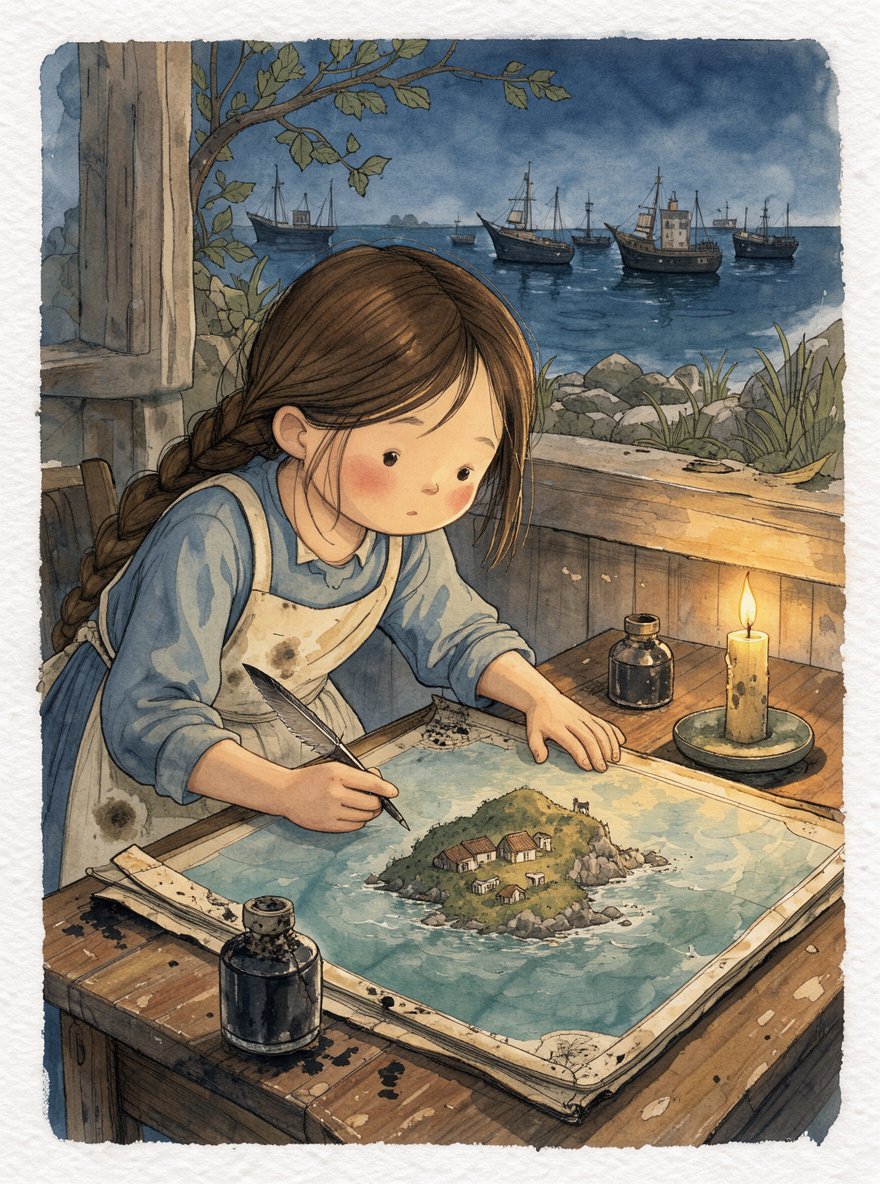
There was only one thing to do. If a blot could not be removed, it would have to be explained. Imogen picked up her pen, gave the blot a rocky outline, and wrote beside it, in very small letters, "Isle of Blot". To make it look convincing she added a hill, three little huts, and a dotted line for a road. There was still some empty sea beside it, so she drew in a goat, because old maps were always decorated with some kind of animal, and because she was rather good at goats.
Captain Mara collected the chart at noon. Imogen did not sleep well for a month.
When the captain came back, she walked straight into the shop and banged the chart down on the counter. Imogen felt her stomach drop. "Thorne," said the captain, "I have sailed that ocean for twenty years and I have never seen that island on any chart but yours. How did you know it was there?"
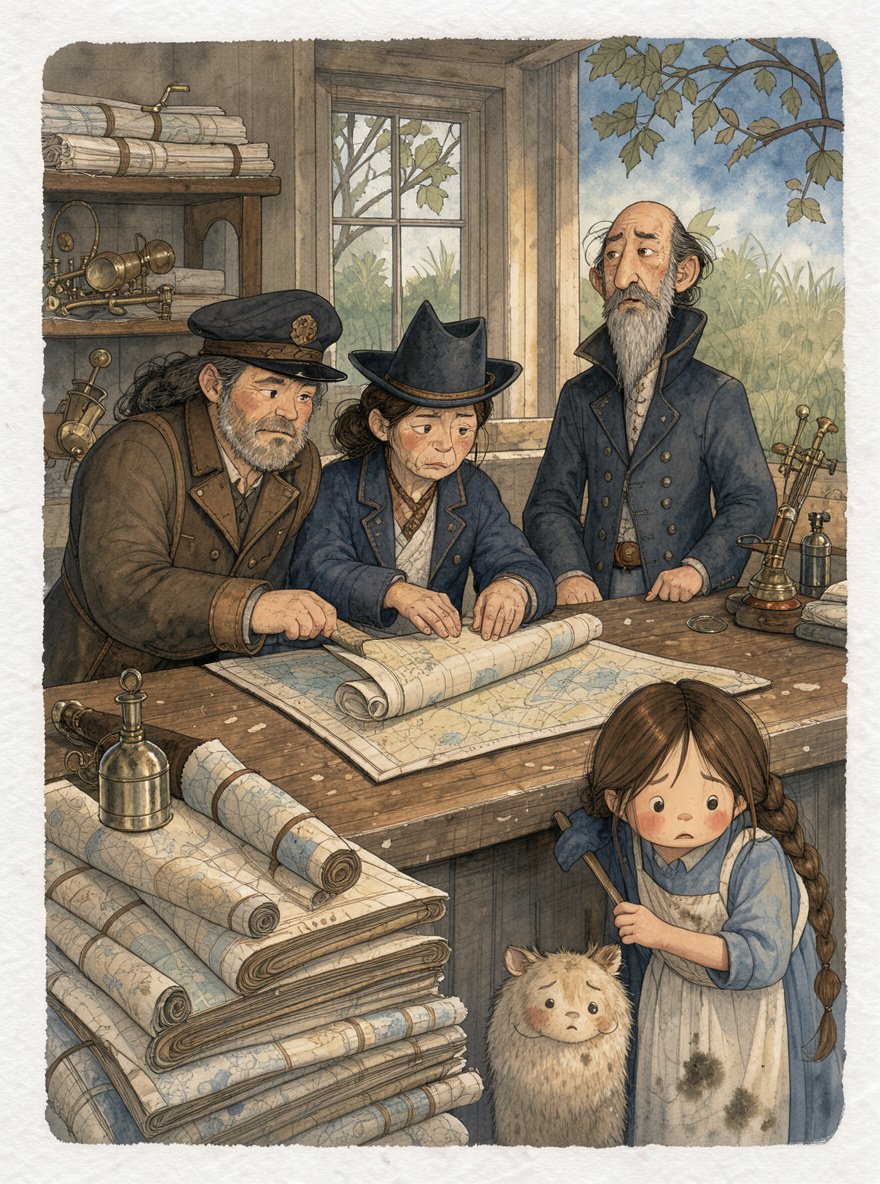
Mr Thorne looked at the chart. He had never seen the island either. It took him less than a second to recover. "A Thorne map," he said, "is never wrong."
That night, when the shop was shut, Imogen sat down at the desk by the window that looked out over the harbour, with her hands shaking. She unrolled a chart of Saltmere itself and, with the tip of her pen, she drew one tiny rock at the harbour's mouth. By morning, three fishermen were standing on the quay, arguing furiously about a rock that had certainly not been there the day before.
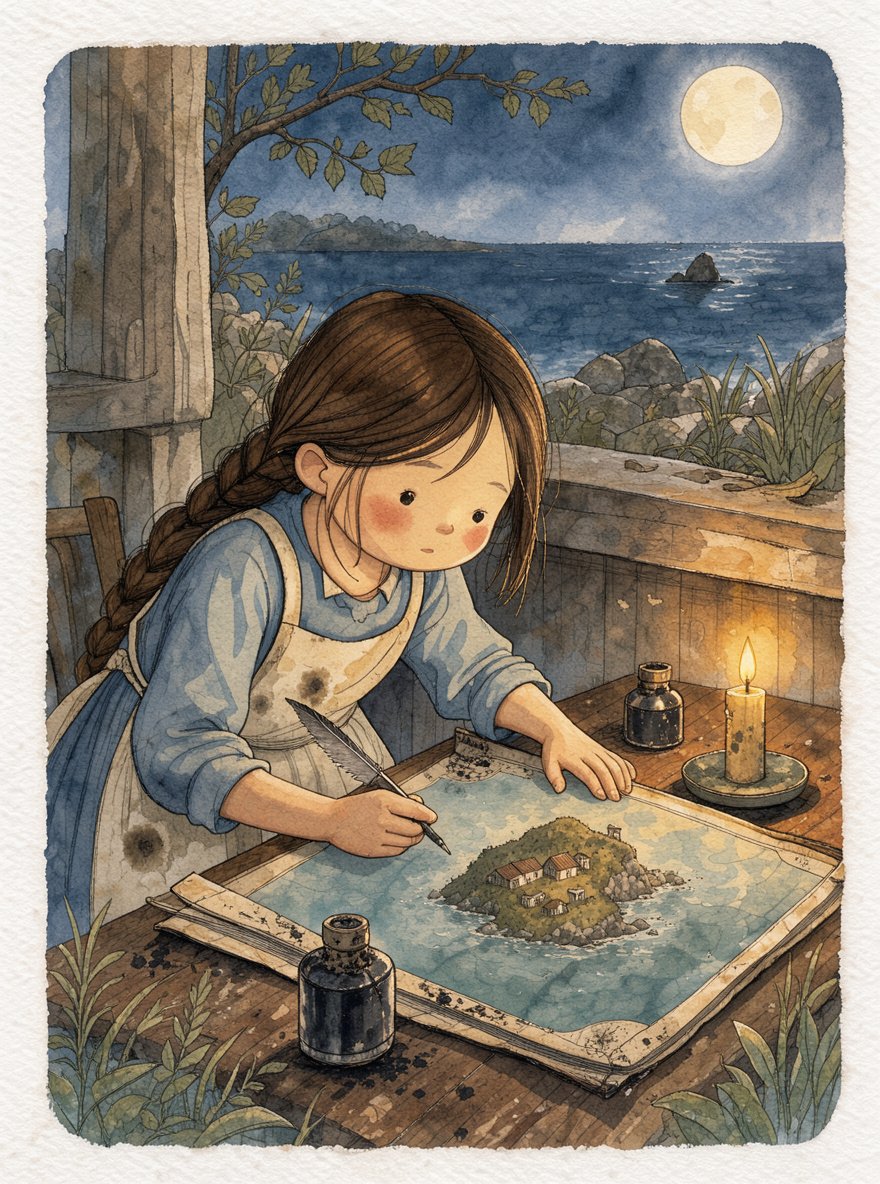
She tried to scrape it out. It was no use. The ink could not be removed, on the paper or in the sea.
The letter arrived six weeks later, carried by Captain Mara, who had been handed it on a beach and asked no questions. It was addressed "To Whoever Drew Us", and it was written in extremely polite handwriting.
"Dear Cartographer," it began. "We are the people of Blot. There are nineteen of us. We woke up in three huts some weeks ago, remembering nothing older than that morning, and we have been trying to make the best of things. We hope you will not mind if we raise a few small matters.
"First, there is no fresh water. We assume that this was an oversight. Second, the road leaves the huts, goes up the hill, and stops at the edge of a cliff. We have walked along it several times in case we had misunderstood. Third, and we say this with respect, there is the goat.
"We do not think you can have considered the scale. According to our measurements, the goat is eleven miles long. It is a gentle animal, and the children are fond of it, but it eats about a forest a week, and when it lies down the tide changes. We should be grateful for your thoughts. Yours most sincerely, the people of Blot."
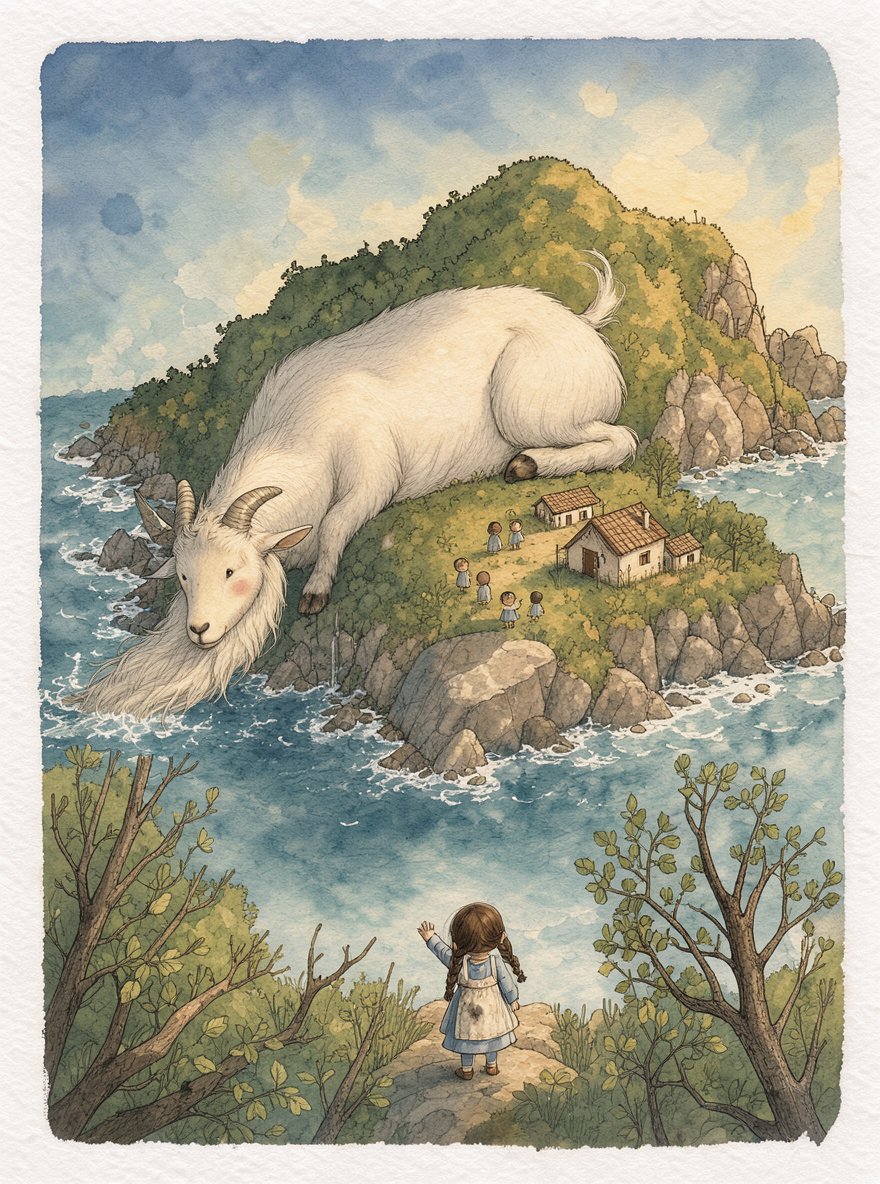
Imogen read the letter four times. Then she put her head on the desk and laughed until she cried, and then she simply cried. There were people out there. They were real, they were hungry and thirsty, and every one of their problems had been caused by her trying to get out of trouble before lunch.
She could not rub anything out, so she would have to add. She waited for the shop to close, and she drew a river.
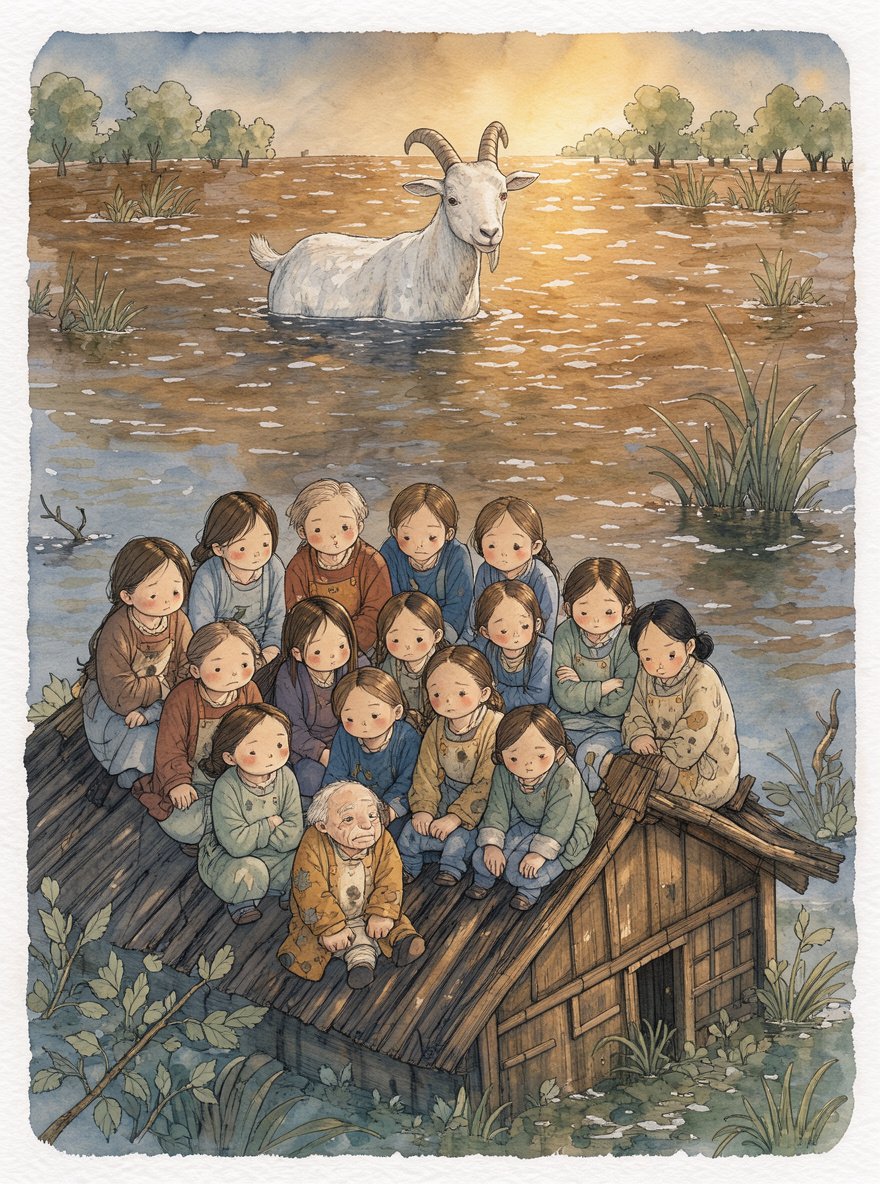
It was, she later discovered, three miles wide. Nineteen people spent a very wet week on the roof of the middle hut, and the second letter was noticeably less polite. So she bought a ruler. She learned scale properly, as she had never needed to learn it for copying. She worked out what one stroke of her finest pen meant on the ground, and she drew a stream, a spring, an orchard, and a small bridge. She finished the road, and she made it lead to a beach. Every one of those lines used up a little more of the ink, and the level in the bottle was falling. She was very careful, and she was almost happy.
Unfortunately, Mr Thorne was not as stupid as he was vain. He had noticed that his apprentice stayed late, and that a certain chart kept changing, and one night he came down in his dressing gown and stood behind her for some time before she heard him breathing.
He looked at the chart. He looked at the bottle. She watched him understand it, and it was not a pleasant thing to see.
"Gold," he said softly. "Mountains of it. A deep harbour, a great city, and my name across the middle. Thorne Island! Do you realise what they would pay me?" He looked at her as if he had just noticed her. "Those people need not concern you. There will be plenty of work for them in the mines. Go to bed, girl. We shall begin tomorrow, when I have chosen a good pen."
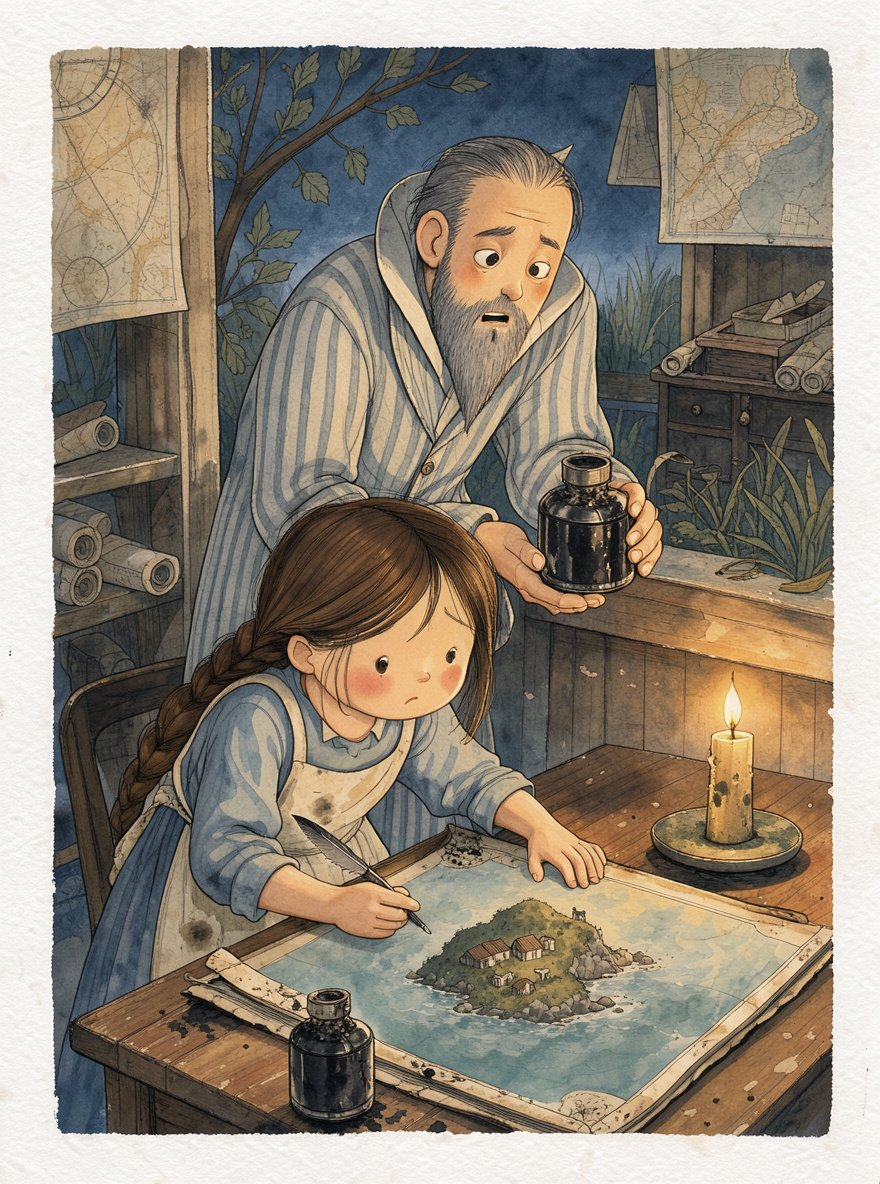
He took the bottle upstairs with him. He did not, however, take the chart, because it would not have occurred to him that anybody could do anything without his permission.
Imogen sat in the dark. She knew that there was a drop of ink left on the nib of her pen, and perhaps another in the pen's little well. It was not enough for a coastline. It was not enough to stop him, either, if the island was still there to be drawn on.
Then she remembered something she had seen on the oldest charts in the shop, the ones from before anyone had crossed the western ocean. She thought about what she might be giving up. She would never see the place. She would never know how the orchard had grown. She pulled the lamp closer and, in the sea around the Isle of Blot, in the smallest and clearest letters she had ever made, she wrote one word.
"Uncharted."
By the time Mr Thorne came down the next morning, carrying his best pen, there was nothing on the chart but water. There was nothing on the copies either. Captain Mara sailed out to look and found only an empty horizon and, she claimed, an unusually strong smell of goat. The bottle, when Mr Thorne opened it, was full of ordinary ink, and his gold mine, when he drew it, stayed obstinately on the paper. He told everyone that a Thorne map was never wrong and that the sea must have made a mistake.
Imogen left at the end of the year and opened a small shop of her own. Her maps were not famous, but they were accurate, and she always drew her goats to scale.
She had thought that would be the end of it. But once every spring, for the rest of her life, a bottle was washed up on the harbour wall with a letter inside it. There were eventually a great many signatures at the bottom. The stream was doing well, they told her. The goat sent its regards.
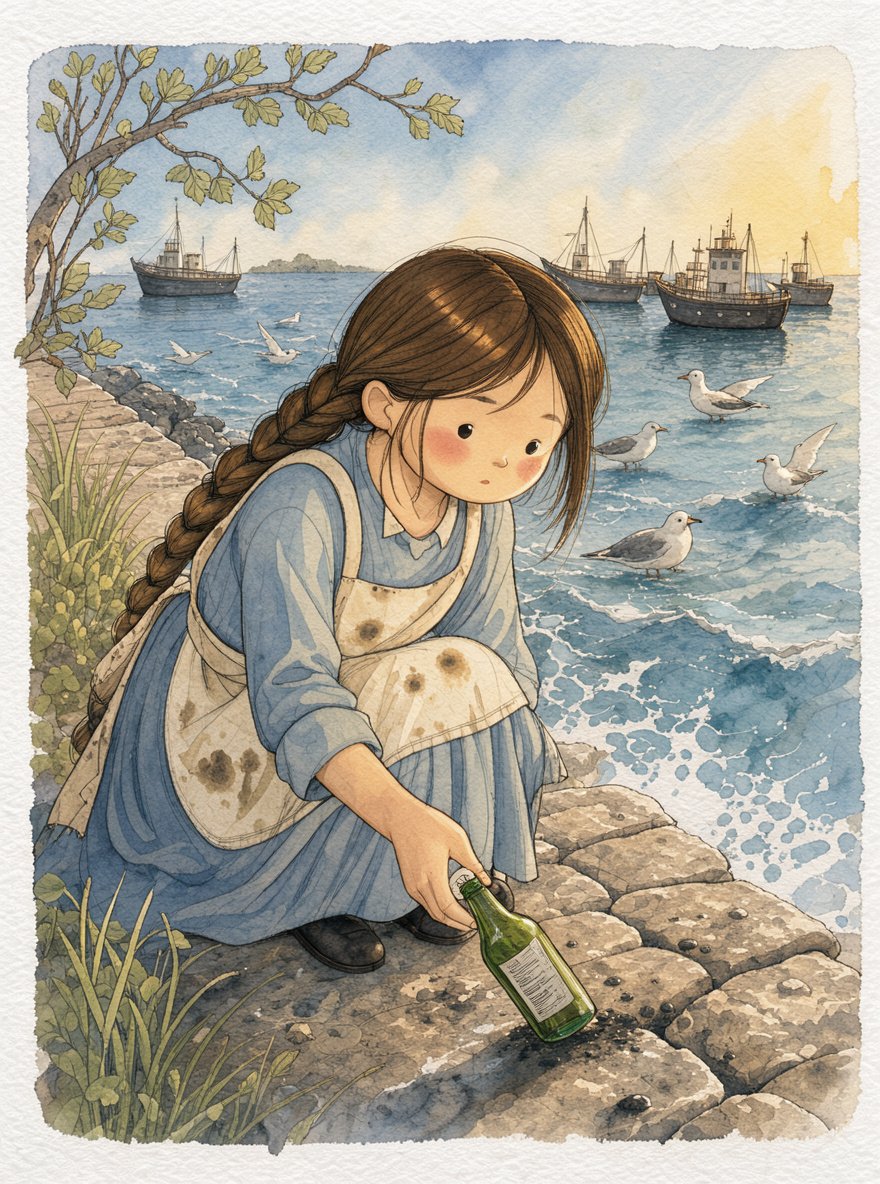
The last one she kept in a frame above her desk.
"Dear Cartographer. You will be glad to hear that we have made a map of our own, showing the world as far as we understand it. We have put you on it. You are in the top corner, quite small, and rather out of scale. We hope you will not mind. Yours most sincerely."
Как вам сказка?
Похожие сказки
-
 The Committee for Impossible Complaints
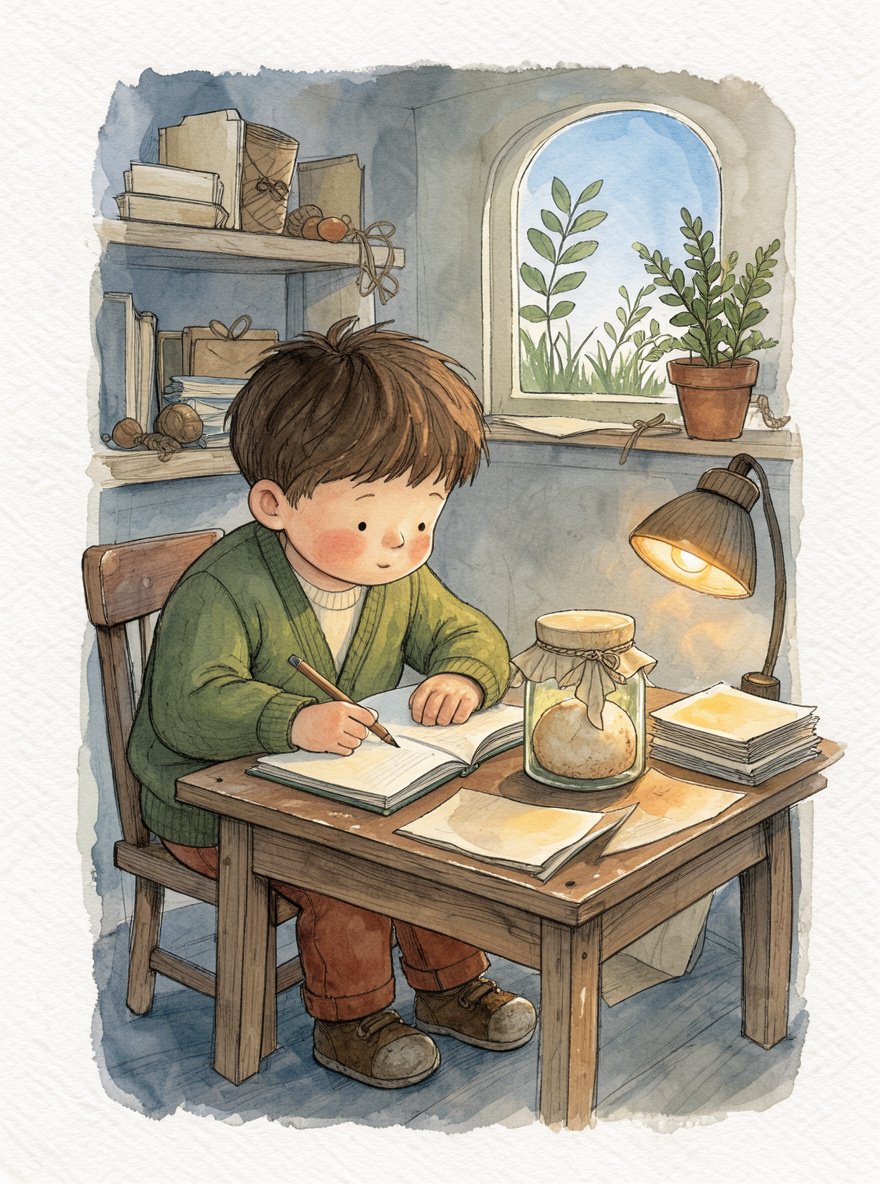
В крошечном кабинете при ратуше разбирают немыслимые жалобы горожан: говорящая опережающая тень, поющая закваска для хлеба, гном, который сам передвигается. Двенадцатилетний Феликс выясняет, что у каждой загадки есть обычное объяснение — если задавать правильные вопросы.
Английский, C1–C2
9–10 лет · 23 стр. · ≈ 11 мин
-
 Twelve Keys for One Door
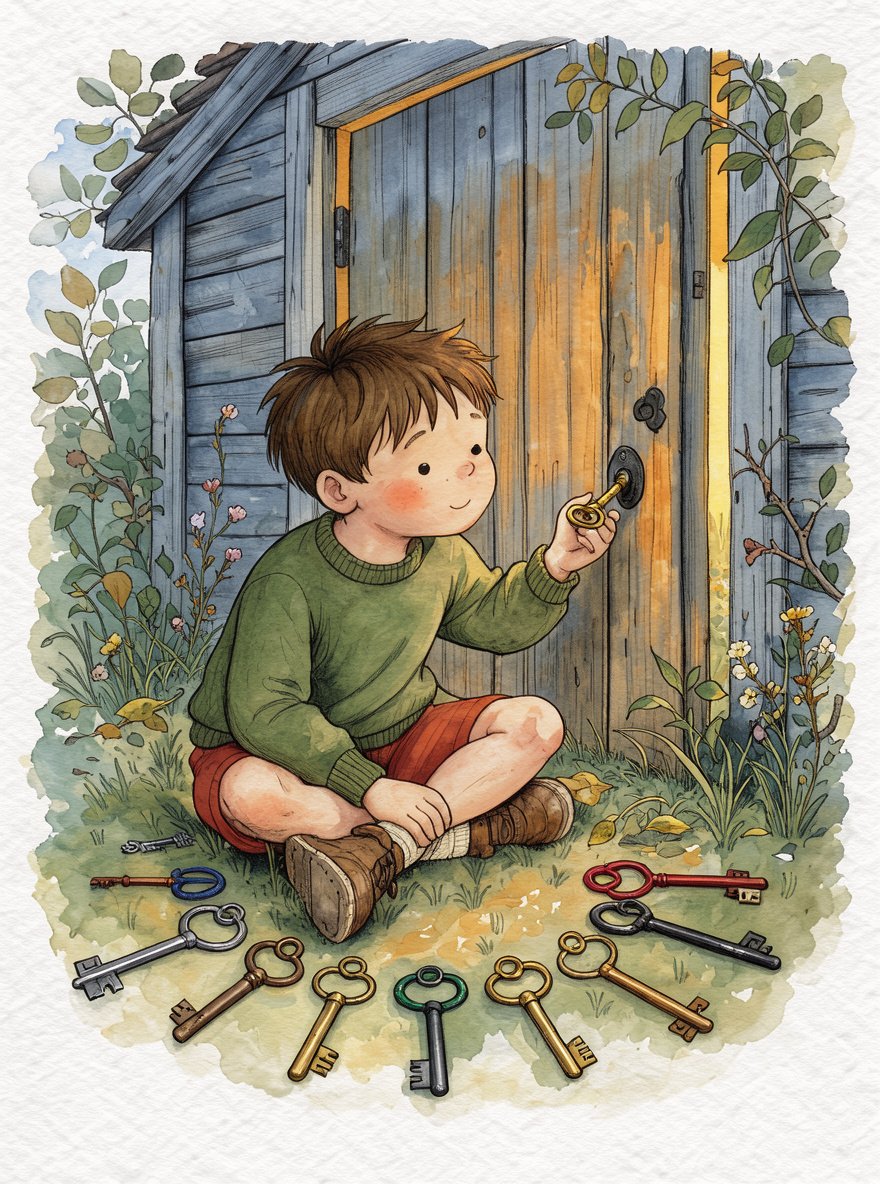
У бабушки Оливера в банке лежат двенадцать разных ключей без подписи, и в дождливую субботу он решает перепробовать их все на старом замке сарая. Каждый ключ открывает что-то своё — музыкальную шкатулку, ящик с письмами, — а самый обычный ключ оказывается нужным для сарая, где ждёт бабушкина записка.
Английский, A2
7–9 лет · 10 стр. · ≈ 4 мин
-
 The Inventor Who Forgot the Instructions
Робот-уборщик профессора Фенн наводит порядок буквально: кладёт все вещи туда, где они когда-то упали, потому что никто не объяснил ему, что значит «на своё место». Весёлая история о том, как важно договориться о словах, прежде чем давать задание.
Английский, B1
8–10 лет · 17 стр. · ≈ 7 мин