The Apprentice of Echo Valley
Долина Эхо отвечает честно, но только на точно заданный вопрос — и почти никогда на тот, что был задан. Тео теряет бабушкин медальон и учится спрашивать точнее, чтобы долина наконец сказала, где искать.
🌍 Английский, B2 👶 9–10 лет 📖 25 стр. ⏱ читать ≈ 9 мин
Текст сказки
Nobody in the village of Hollowmere liked to visit Echo Valley, not because it was dangerous, but because it was embarrassing.
The valley had a peculiar quality: whatever you shouted into it came back to you, word for word, except that the echo always seemed to know a little more than you did, and was not shy about pointing this out. Shepherds avoided it because their echoes corrected their counting. The mayor avoided it entirely after the valley once repeated his speech back to him with every boring part emphasised.
Teodora Vale, who was eleven and had never been accused of being tactful either, thought this sounded less like a curse and more like an opportunity.
Читать дальше
She had a very good reason to visit. Three days earlier, her grandmother's silver locket had slipped from around her neck somewhere between the old mill and the riverbank, and no amount of searching along that path had turned it up. Teodora's grandmother never once said she blamed her, which somehow made it worse.
"If anyone would know where it fell," said the miller's wife, not entirely helpfully, "it would be that valley. It seems to know everything else."
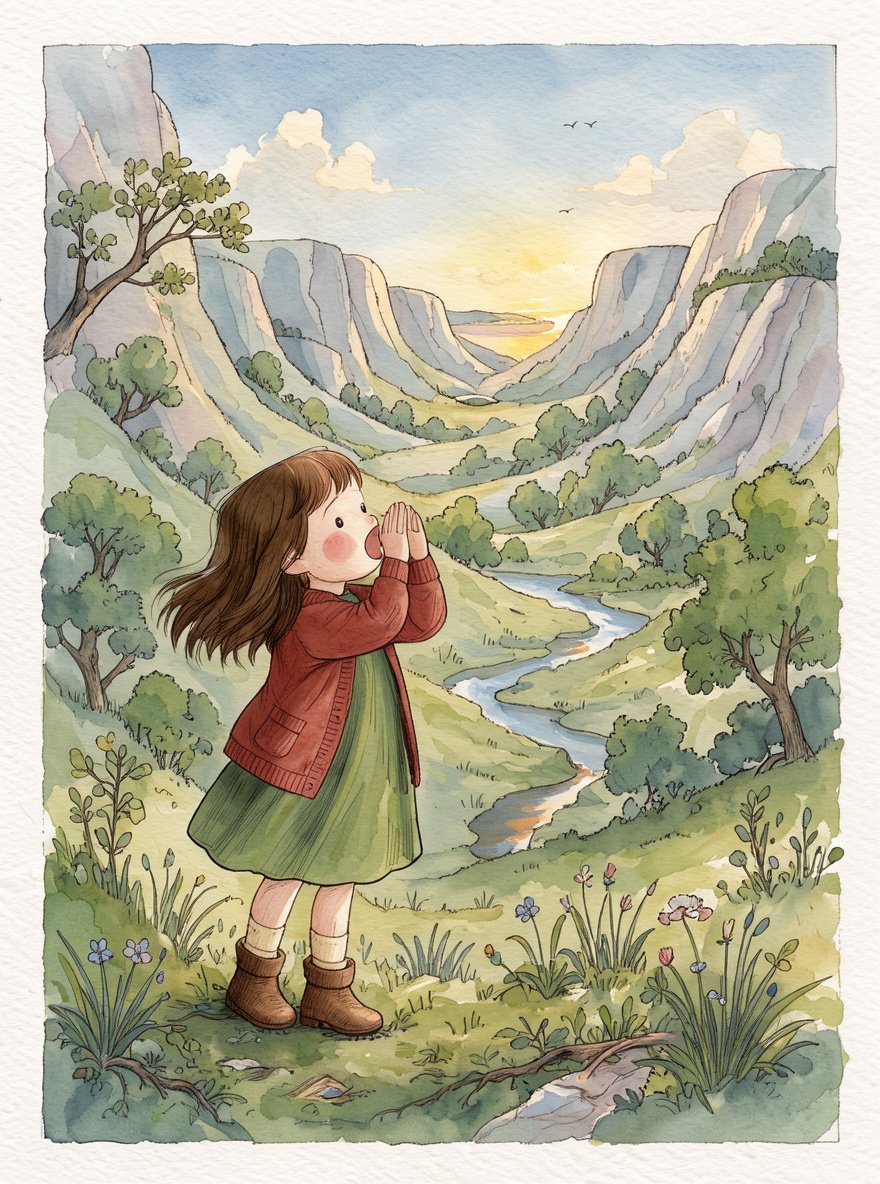
So on a grey Tuesday, Teodora packed a sandwich, climbed to the mouth of Echo Valley, and shouted the first thing that came into her head.
"Hello! Where is my grandmother's locket?"
The valley was quiet for a moment, and then it answered, in a voice that sounded exactly like her own, but somehow more amused. "Your grandmother's locket is somewhere you have already looked."
Teodora frowned. "That's not an answer, that's a riddle!"
"It is both," said the echo, not unkindly. "You asked where it is. I told you where it is. You did not ask where, precisely, or whether you looked carefully enough."
Teodora realised, with some irritation, that the valley answered exactly the question asked, and not one syllable more, which made it technically honest and practically useless, unless you knew how to ask.
She thought about this for a long moment, sitting on a flat rock with her sandwich only half eaten.
"Fine," she called out at last. "Along the path from the mill to the river, which exact spot have I already looked at, where the locket is actually lying?"
There was a pause, as though the valley appreciated being asked properly for once.
"Beneath the third stone past the willow tree," it said, "the one you turned over and put back exactly as it was, because you did not want your grandmother to think you had been careless with her garden wall."
Teodora's stomach dropped. She remembered that stone perfectly. She had lifted it, seen nothing underneath but damp earth, and set it back down so carefully that no one would ever know she had touched it.
"But I looked under that stone!" she shouted. "There was nothing there!"
"You looked under half of it," the valley replied. "The stone is larger than you think, and you were in more of a hurry than the job required."
This was, Teodora had to admit, probably true. She had been nervous about being caught, and the stone had been heavier than it looked.
She set off at once, back down the path, with the valley's words rattling around in her head the whole way. Sure enough, when she reached the willow tree and counted three stones along, she found the one she remembered — half-buried in the grass, bigger than her memory had allowed. This time, she dug her fingers properly into the soil beneath its full width, not just the half she had bothered with before, and there, pressed flat into the mud, was her grandmother's silver locket, a little tarnished but entirely whole.
She was so pleased that she ran all the way back up to the valley, just to tell it the good news, before remembering that the valley did not, strictly speaking, ask to be told anything.
"I found it!" she shouted anyway. "Thank you!"
"You are welcome," said the valley, "though I notice you are thanking me for something I never actually did. I only answered the question you finally knew how to ask."
Teodora laughed, which was not something anyone usually did in Echo Valley, and her laugh came back to her sounding, for once, entirely her own.
Word got around the village quickly, as these things do, and within a month half of Hollowmere had made the climb to Echo Valley with a lost item, a lost argument, or a lost sheep, and nearly all of them came back frustrated, because nearly all of them asked the wrong question.
The shepherd asked the valley where his lost ram had gone, and was told only that it had gone "somewhere uphill," which turned out to be true of almost the entire county.
The mayor asked the valley to admit that his speeches were not boring, and received, predictably, total silence, because the valley never answered a question it considered a request for comfort rather than information.
Teodora, however, kept climbing the path on quiet afternoons, not because she had anything left to find, but because she had become rather good at the particular skill the valley demanded: asking exactly what you meant, in exactly enough detail, and not hiding behind a vague question because the precise one felt harder to say out loud.
Eventually, people started climbing the hill not to shout at the valley themselves, but to ask Teodora to do it for them, because she, unlike almost everyone else in Hollowmere, had worked out the valley's one unbreakable rule: it would tell you absolutely anything, as long as you were willing to ask for it honestly, specifically, and without pretending you already knew the answer.
By the time she was old enough to be called Mistress Vale instead of simply Teodora, she had become something between a detective and a translator, sitting at the mouth of Echo Valley most afternoons with a small notebook, helping her neighbours turn their vague, comfortable complaints into sharp, answerable questions.
"The secret," she told anyone who asked, "was never the valley. The valley always knew everything. The secret was learning to ask properly, which turns out to be a harder thing to learn than you would think, and rather more useful than finding your grandmother's locket, though that part was nice too."
Her grandmother wore the locket every single day for the rest of her life, and never once mentioned the stone wall, though she did, very occasionally, raise an eyebrow at it in a way that suggested she had known all along.
Как вам сказка?
Похожие сказки
-
 The Committee for Impossible Complaints
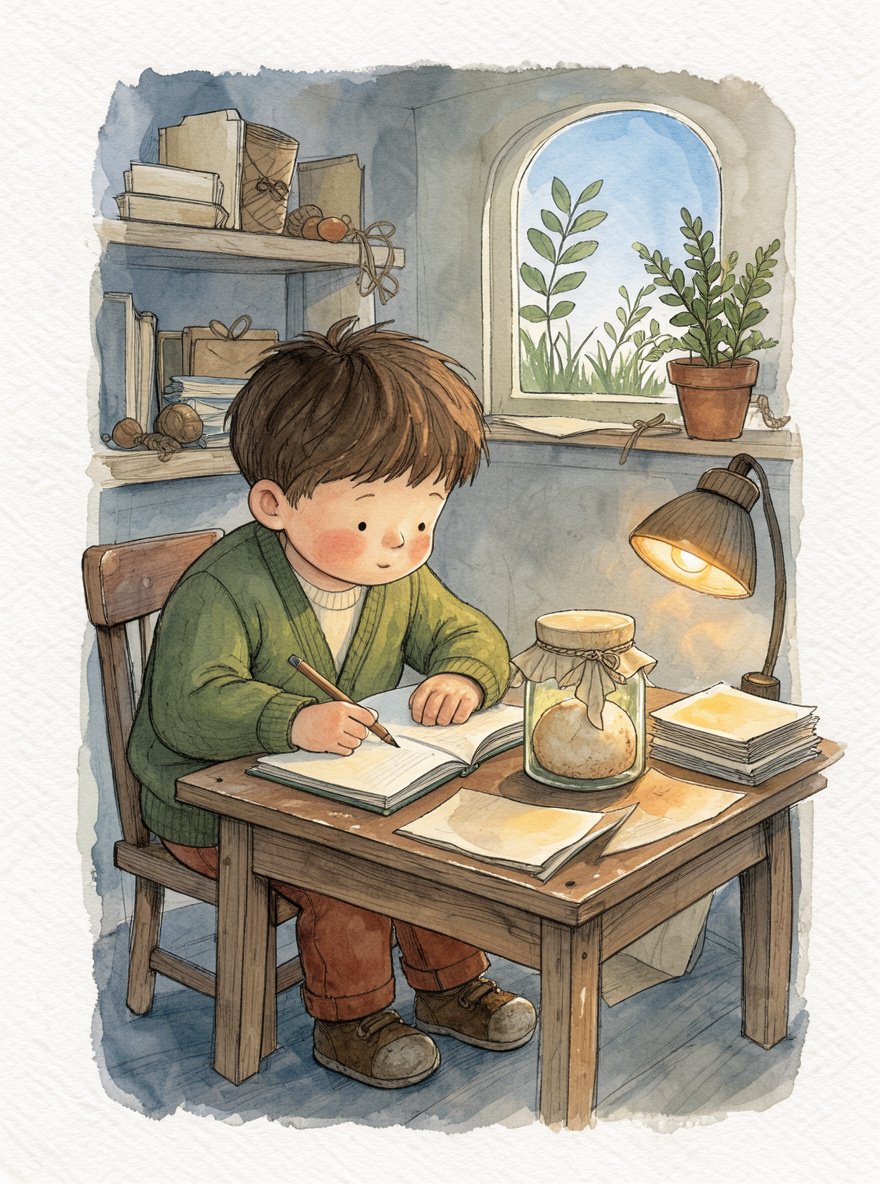
В крошечном кабинете при ратуше разбирают немыслимые жалобы горожан: говорящая опережающая тень, поющая закваска для хлеба, гном, который сам передвигается. Двенадцатилетний Феликс выясняет, что у каждой загадки есть обычное объяснение — если задавать правильные вопросы.
Английский, C1–C2
9–10 лет · 23 стр. · ≈ 11 мин
-
 Twelve Keys for One Door
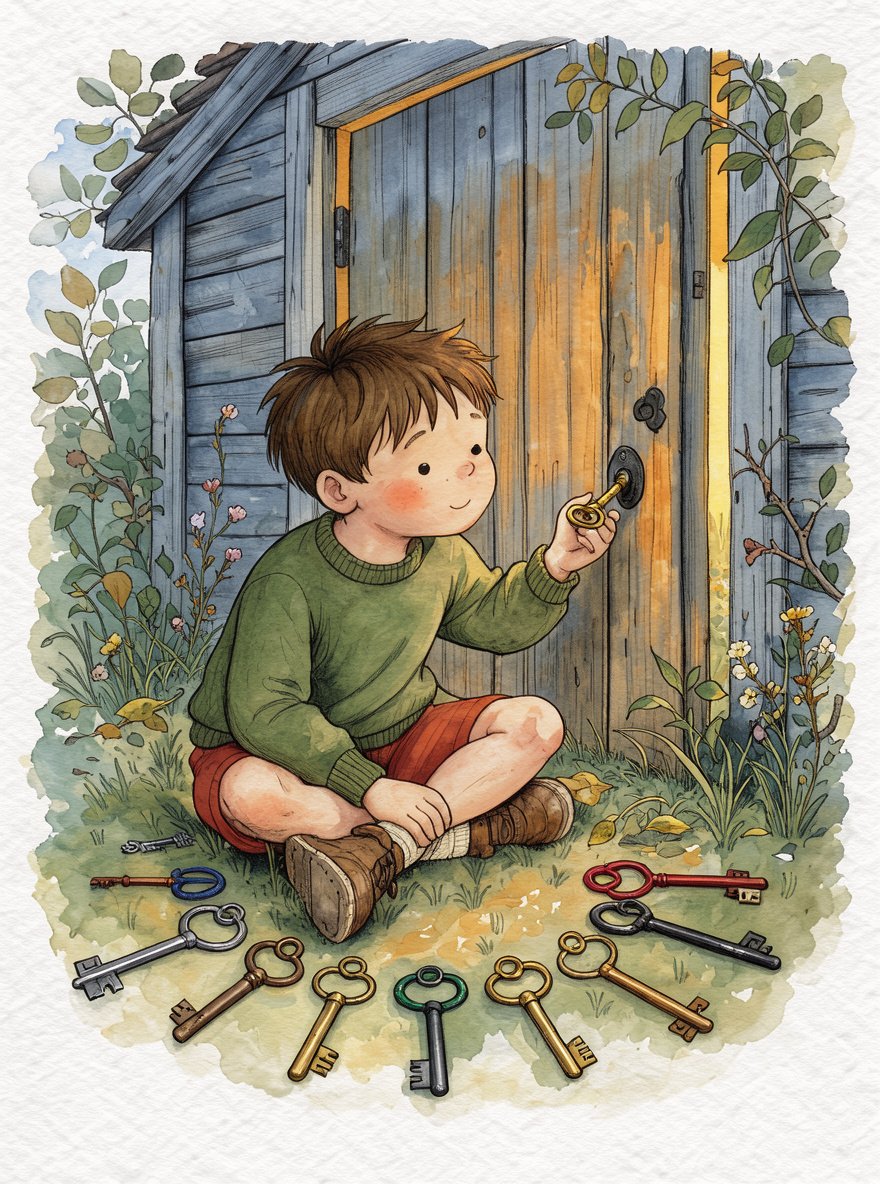
У бабушки Оливера в банке лежат двенадцать разных ключей без подписи, и в дождливую субботу он решает перепробовать их все на старом замке сарая. Каждый ключ открывает что-то своё — музыкальную шкатулку, ящик с письмами, — а самый обычный ключ оказывается нужным для сарая, где ждёт бабушкина записка.
Английский, A2
7–9 лет · 10 стр. · ≈ 4 мин
-
 The Inventor Who Forgot the Instructions
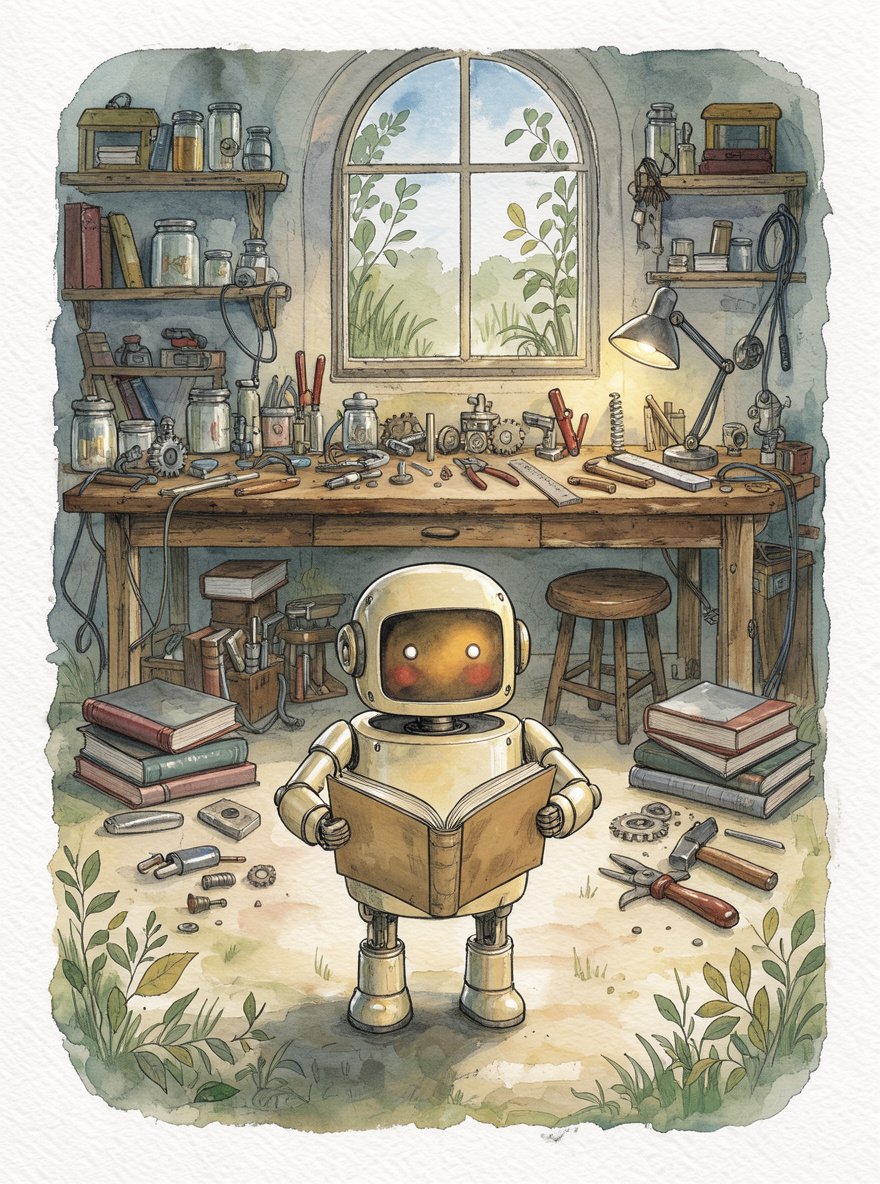
Робот-уборщик профессора Фенн наводит порядок буквально: кладёт все вещи туда, где они когда-то упали, потому что никто не объяснил ему, что значит «на своё место». Весёлая история о том, как важно договориться о словах, прежде чем давать задание.
Английский, B1
8–10 лет · 17 стр. · ≈ 7 мин